God of War TV Series 2026: Turning Brutal Fights into Emotional Storytelling
God of War TV Series 2026 is not just another video game adaptation heading to television, it is a critical test of whether interactive brutality can be transformed into meaningful narrative storytelling. The franchise has always relied on violence as its primary language, yet television demands restraint and purpose. Unlike games, viewers cannot control pacing or combat frequency. Therefore, if the series depends on constant action, it risks exhausting its audience instead of engaging them.
For the God of War TV Series 2026 to succeed, violence must evolve from spectacle into storytelling. Every fight needs emotional weight, narrative consequences, and character relevance. Kratos’ journey is no longer about power fantasy; it is about guilt, restraint, and legacy. When violence reflects internal conflict rather than excess, the adaptation can resonate far beyond longtime fans and stand as a serious prestige drama.
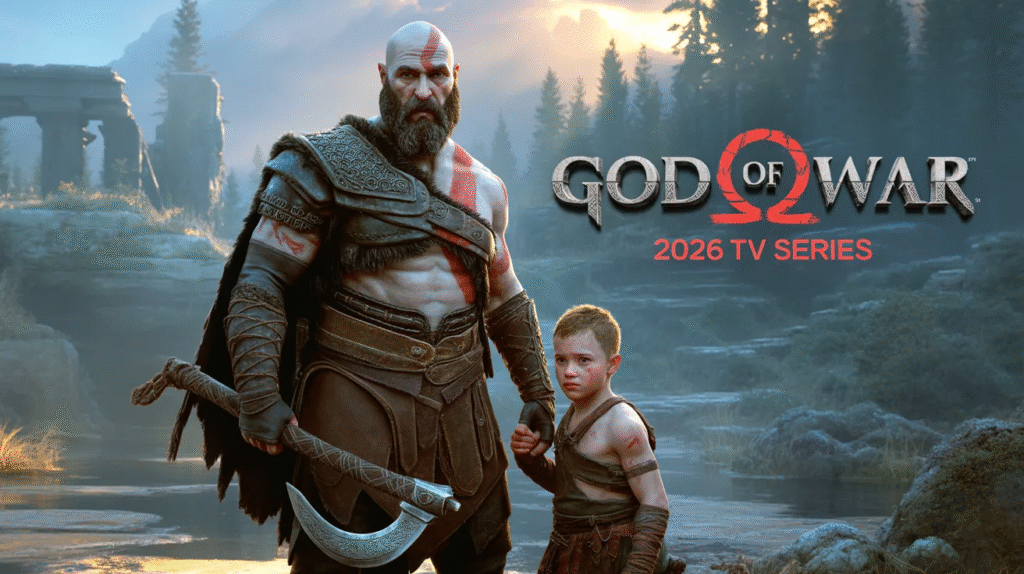
How God of War TV Series 2026 Turns Brutal Action into Storytelling
The Biggest Challenge of God of War TV Series 2026
The fundamental challenge of the God of War TV Series 2026 lies in translating player-driven combat into passive viewing. In the games, violence equals interaction. Players press buttons, execute combos, and feel rewarded. On television, the same approach becomes numbing. Continuous combat removes tension rather than building it. As a result, the show must abandon the idea that action equals engagement. Instead, it should focus on why violence happens, not how often it occurs. When violence is motivated by story and character, it retains power. Otherwise, it becomes background noise, no matter how well choreographed it looks.
From Quantity to Weight – Violence Redefined in God of War 2026
Modern God of War already points toward a solution. The 2018 reboot and Ragnarök moved away from arcade-style carnage and emphasized physical weight. The God of War TV Series 2026 should follow this direction fully. Fewer fights, executed with intensity, will feel more authentic. Each blow should look exhausting. Every clash should feel like it costs something. By reducing the body count and increasing the impact of each encounter, the show can preserve brutality without overwhelming the viewer. This shift transforms violence from routine action into dramatic punctuation.
Why Every Hit Must Have Consequences
In games, Kratos absorbs damage and heals instantly. Television does not allow that luxury. In the God of War TV Series 2026, wounds should linger. Blood loss should weaken him. Pain should slow him down. When Kratos gets hurt, the audience should worry, not assume recovery. This realism raises stakes naturally. Moreover, it reinforces Kratos’ mortality despite his godhood. When violence leaves scars both physical and emotional it becomes meaningful. As a result, viewers invest more deeply in every confrontation.
The “Omaha Beach” Effect Applied to God of War 2026
Violence does not need to be fun to be effective. The opening of Saving Private Ryan proves that brutality can communicate fear, chaos, and trauma. The God of War TV Series 2026 should adopt this philosophy. Fights should feel overwhelming, loud, and disorienting. Kratos should not appear invincible. Instead, he should look burdened by every swing of his axe. This approach ensures that violence conveys emotional weight. It also aligns perfectly with Kratos’ character as a man haunted by what he has done.
Violence as Character Deconstruction in God of War TV Series 2026
At its core, God of War is not about killing gods. It is about a father trying to escape his past. The God of War TV Series 2026 can use violence as a lens to examine Kratos’ inner conflict. Every fight should reveal something about his struggle. Instead of celebrating rage, the show should frame it as failure. When Kratos loses control, the moment should feel tragic rather than triumphant. This approach deepens character development and differentiates the series from standard action television.
Kratos’ Struggle Between Restraint and Rage
The most powerful scenes in the God of War TV Series 2026 will not involve maximum destruction. Instead, they will show Kratos holding back. His restraint should be visible in clenched fists, controlled breathing, and hesitation. When rage finally erupts, it should feel inevitable and terrifying. By contrasting restraint with release, the show highlights Kratos’ internal war. Violence becomes a symptom of emotional failure, not a reward. This dynamic keeps action scenes emotionally grounded.
Atreus as the Moral Reflection
Atreus is not just a companion. He is a mirror. In the God of War TV Series 2026, violence should shape how Atreus views his father. When Kratos loses control, Atreus should witness the cost firsthand. These moments define their relationship. Violence teaches Atreus what Kratos fears becoming again. As a result, action scenes double as lessons, reinforcing the show’s themes of legacy, restraint, and responsibility.
Lessons from The Last of Us for God of War 2026
HBO’s The Last of Us proved that restraint works. It removed filler combat and focused on narrative impact. The God of War TV Series 2026 should adopt a similar blueprint. Sparse but intense action keeps tension high. When fights occur, they matter. Each encounter advances character arcs or plot. This strategy prevents viewer fatigue while preserving intensity.
Fewer Fights, Bigger Impact
A television episode does not need constant combat. One or two well-crafted encounters can define an entire hour. The God of War TV Series 2026 benefits from this approach because it allows space for dialogue, silence, and emotional buildup. Consequently, when violence finally erupts, it feels earned.
Cinematic Combat Choices
Creative camera work can enhance brutality without excess. Close-ups, long takes, and restricted framing make viewers feel trapped inside the fight. Inspired by the game’s single-camera style, the God of War TV Series 2026 can use intimacy rather than scale. This technique increases immersion while reducing reliance on spectacle.
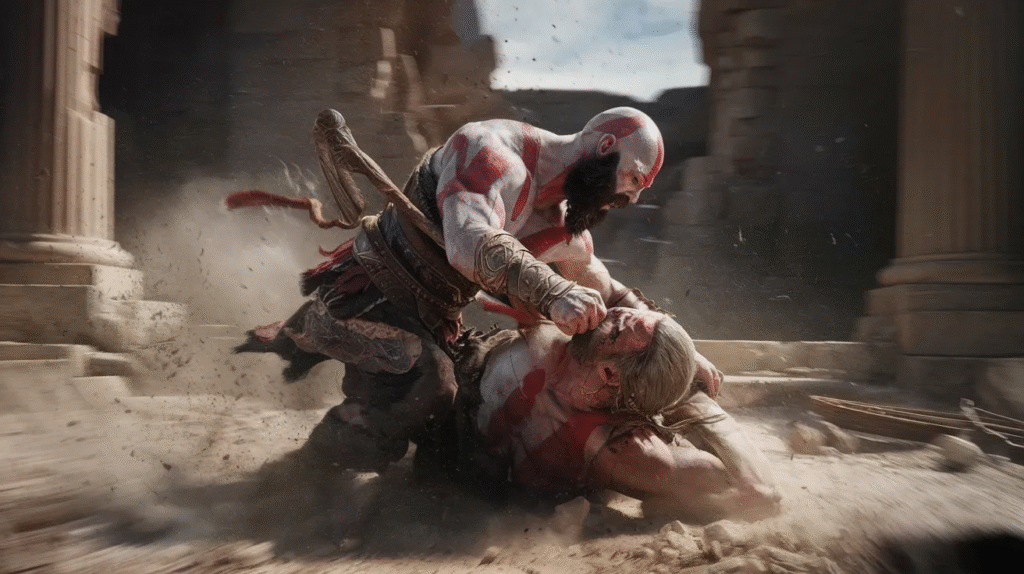
Technical Challenges of God of War Live Action 2026
Live-action adaptations struggle with scale. Gods, monsters, and extreme gore risk looking artificial. The God of War TV Series 2026 must avoid overreliance on CGI. When visuals look fake, violence loses credibility. A grounded approach solves this problem.
Avoiding the Uncanny Valley
Instead of exaggerated effects, the show should prioritize practical choreography and subtle enhancements. Blood, bone, and impact should feel real. By limiting fantastical elements, the God of War TV Series 2026 maintains immersion and avoids B-movie aesthetics.
Logan-Style Violence for Kratos
Logan demonstrated that grounded brutality can elevate character drama. The God of War TV Series 2026 should adopt a similar tone. Focus on exhaustion, broken bones, and emotional fallout. This style aligns perfectly with Kratos’ journey.
Reimagining the Baldur Fight in God of War TV Series 2026
The first Baldur encounter is iconic. On television, it should emphasize psychological warfare over spectacle. The God of War TV Series 2026 can portray the fight as invasive and relentless. Baldur’s invulnerability should frustrate Kratos, forcing him into desperation. The scene becomes less about winning and more about fear of losing control and exposing Atreus to his past.
Final Thoughts on God of War TV Series 2026
God of War TV Series 2026 is not about reducing violence, but about redefining its purpose within a narrative-driven medium. When every strike carries physical consequences and emotional weight, violence stops being empty spectacle and becomes meaningful storytelling. This approach allows Kratos’ actions to reflect his inner conflict, making each confrontation feel earned rather than excessive.
By treating violence as a reflection of guilt, restraint, and legacy, the God of War TV Series 2026 has the potential to rise above typical video game adaptations. If executed with care, the series can appeal to audiences beyond gamers while preserving the soul of the franchise. In doing so, it would not simply adapt God of War for television, it would elevate it into prestige drama.
Meta Description
God of War TV Series 2026 redefines violence by turning brutality into storytelling. Discover how Kratos’ rage, restraint, and legacy shape the live-action adaptation.
Conclusion
God of War TV Series 2026 has a big chance to become something special if it uses violence in the right way. The show does not need too many fights to look strong. Instead, it needs fights that feel heavy and real. When Kratos swings his axe, the moment should feel important. Pain, fear, and emotions should stay with the viewer. This makes the story more powerful and easy to remember.
In the end, good storytelling always wins over loud action. If the show focuses on Kratos as a father, not just a fighter, people will care more. Simple moments, strong emotions, and meaningful violence can help the series reach new fans. When violence helps tell the story, the show can stand tall as a great TV drama, not just a game adaptation.